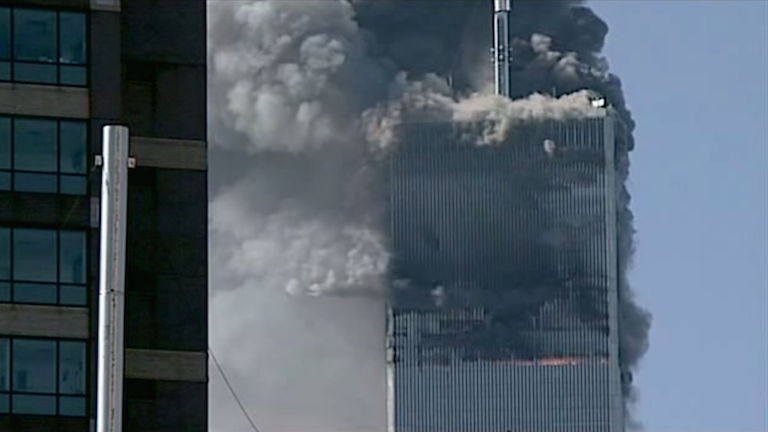
According to the National Institute of Standards and Technology (NIST) — which is the U.S. government agency that investigated the World Trade Center’s destruction — the Twin Towers came down “essentially in free fall.”
Read more
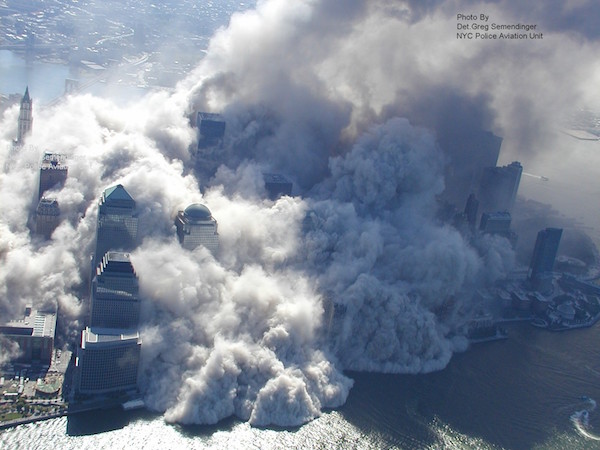
NIST’s final report on the destruction of WTC 1 and WTC 2 provides virtually no explanation for the most relevant body of evidence: the structural behavior of the towers during the collapse.
Read more
NIST declared in its final report on the destruction of WTC 1 and WTC 2 that it found “no corroborating evidence for alternative hypotheses suggesting that the WTC towers were brought down by controlled demolition using explosives planted prior to September 11, 2001.” This statement ignores and directly contradicts the plethora of…
Read more

Despite the illegal destruction of most of the structural steel and other debris in the months after 9/11, a sizeable body of forensic evidence has been developed over the years by government investigators and independent researchers. Much of the available evidence indicates the occurrence of high-temperature thermitic reactions before, during, and after…
Read more
The seven-year quest to produce an official technical explanation for the destruction of World Trade Center Buildings 1 and 2 represents an unparalleled case study in “expectation bias." The two official investigations of the WTC destruction flagrantly violated key principles of science-based investigation, resulting in incomplete hypotheses that are wholly unsupported by…
Read more
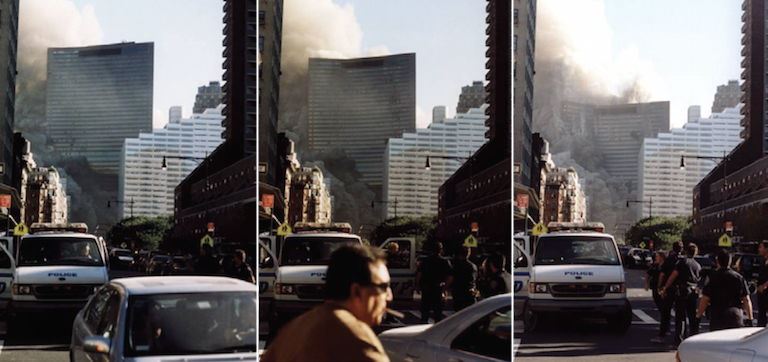
Today, NIST acknowledges that WTC 7 fell at a rate of free fall (or the rate of gravity) for a period of approximately 2.25 seconds before it started to slow down. Yet NIST’s final report provided no explanation for how free fall was accomplished. Meanwhile, the hypothesis of controlled demolition explains WTC…
Read more
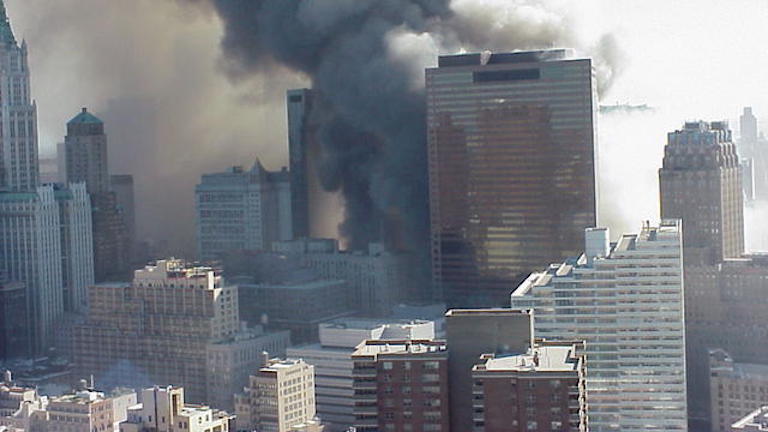
NIST claims in its WTC 7 FAQs that “no blast sounds were heard on audio tracks of video recordings during the collapse of WTC 7 or reported by witnesses.” However, both audio recordings and eyewitness accounts of explosions during the destruction of WTC 7 contradict NIST’s claim.
Read more
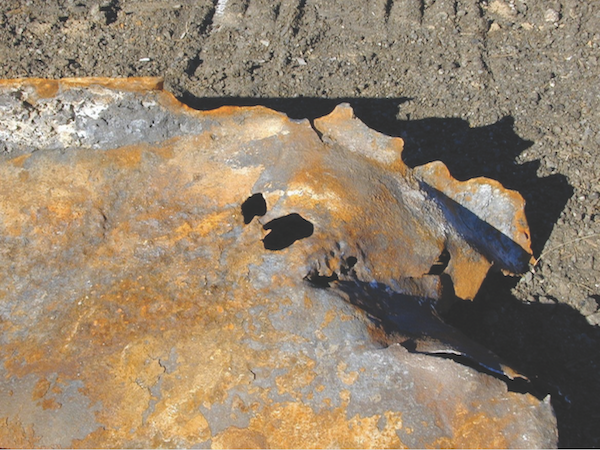
“Perhaps the deepest mystery uncovered in the investigation involves extremely thin bits of steel collected...from 7 World Trade Center.... The steel apparently melted away, but no fire in any of the buildings was believed to be hot enough to melt steel outright….” — The New York Times
Read more
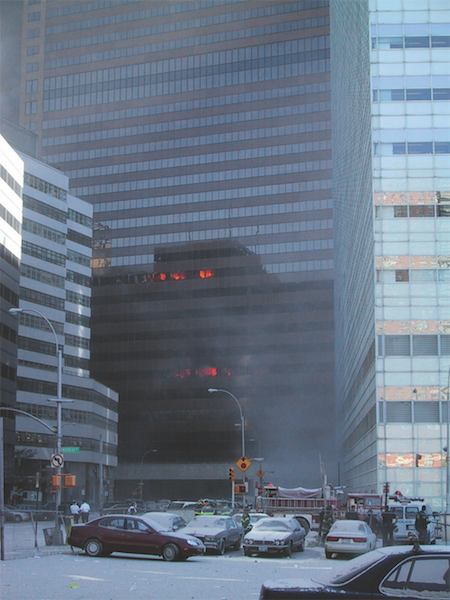
degree of confidence and precision. Their anticipation was so strong that the media widely reported on WTC 7’s imminent collapse, with some news outlets even reporting the collapse before it occurred.
Read more
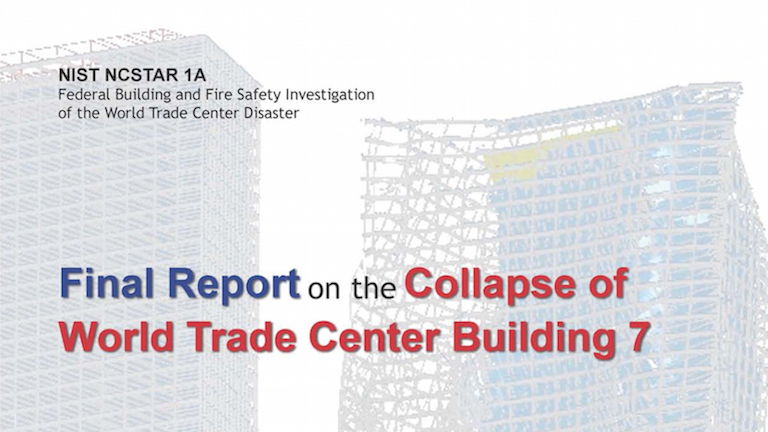
The seven-year quest to produce an official technical explanation for the destruction of World Trade Center Building 7 represents an unparalleled case study in “expectation bias." The two official investigations of the WTC destruction flagrantly violated key principles of science-based investigation, resulting in incomplete hypotheses that are wholly unsupported by any evidence…
Read more